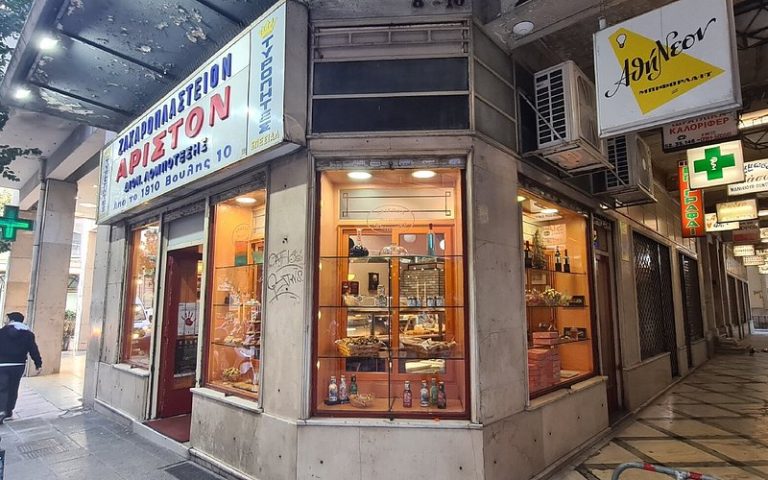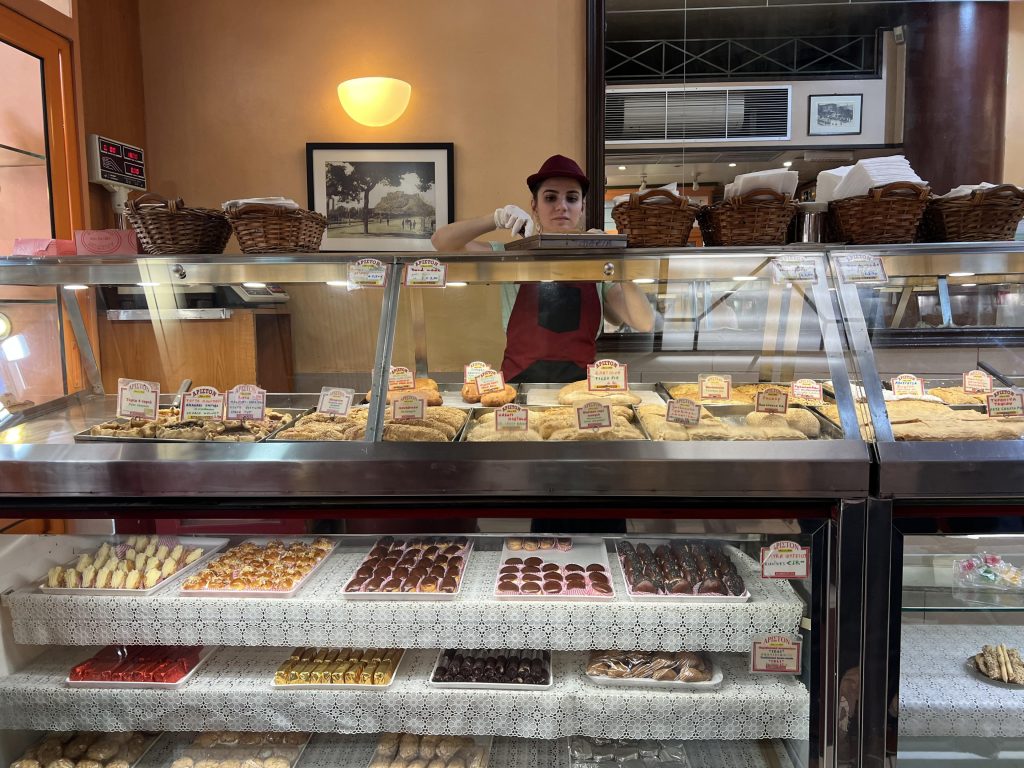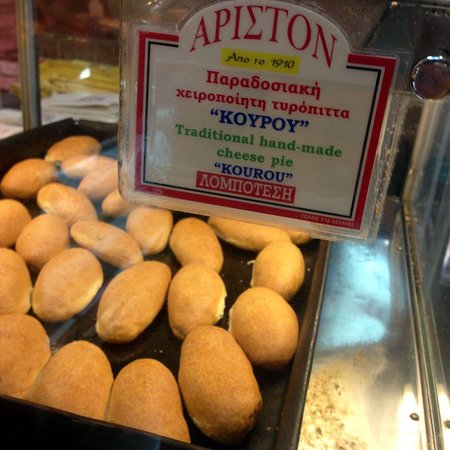
In the heart of Athens, just steps from Syntagma Square, stands a century-old bakery beloved by locals and visitors alike — Ariston Bakery. Since its founding in 1910, this historic shop has been famous for one product above all: the Kourou cheese pie, a rich traditional Greek pastry that has become an enduring symbol of Greek food culture.
What Is Kourou?
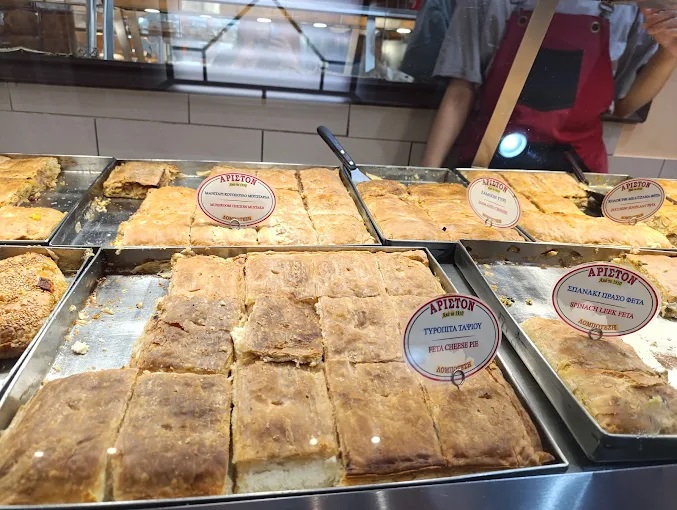
Kourou is a special style of tyropita (Greek cheese pie) made with a buttery shortcrust-style dough that crumbles delightfully in the mouth and is filled with a salty, creamy cheese mixture — typically feta, and sometimes blended with other Greek cheeses. Unlike the more common phyllo-wrapped tyropita, kourou has a thicker, richer crust that sets it apart and gives it a distinct golden texture and satisfying bite.
Origins and History
Although cheese-filled pies in various forms have been baked in Greece since ancient times — with descendants traceable back to Byzantine and even Classical eras — the particular shortcrust version known as kourou became popular in urban bakeries in the 20th century.
At Ariston, the recipe has remained largely unchanged for over a hundred years, reflecting a dedication to tradition that locals appreciate. The bakery grew in prominence in part because of its location near the Greek Parliament; generations of politicians, workers, and city dwellers have lined up for their daily pie fix.
Taste, Texture, and Making
What makes kourou irresistible is the combination of rich, buttery dough with the tangy, salty cushion of cheese inside. The filling is generally dominated by feta — a brined white cheese that is one of Greece’s most iconic products, protected under European PDO status — giving the pie its signature savory flavor.
At Ariston, kourou is baked fresh throughout the day and often served warm. Its aroma — buttery and slightly salty — is part of the appeal that draws both locals on their way to work and visitors exploring the city’s culinary heritage.
Price and Everyday Greek Life
One of the charms of the kourou cheese pie at Ariston is its accessibility. In many Greek bakeries, similar cheese pies are sold individually for around €2–3 each, making them an affordable and popular snack or light meal.
For Athenians, grabbing a kourou on the go at Ariston — standing on Voulis Street with a warm pie in hand — is as much a part of daily life as stopping for a coffee. Whether it’s a quick breakfast, a lunch on the run, or a comforting afternoon bite, the pie bridges the gap between tradition and everyday modern life.
Culture and Culinary Significance
Cheese pies like kourou are deeply woven into Greek food culture. Greeks have long enjoyed pies made with filo or other doughs filled with savory ingredients — going back to ancient versions such as tyronos plakous, a cheese-based bread snack eaten in Classical Athens. Today, these pies remain a beloved staple across the country.
For many Greeks, tyropita and its kourou variation are comfort foods tied to memories of family meals, local bakeries, and community. They’re served at breakfast tables, picnics, festivals, and even as party dishes — a testament to their versatility and enduring popularity.
About the Author