Lessons from Ariston in Athens
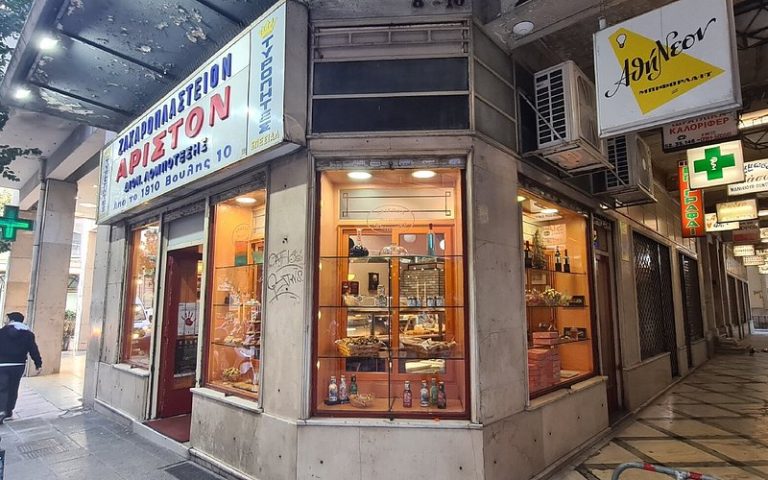
Historic places are more than old buildings; they are living witnesses to culture, memory, and identity. In an age of rapid urban development and globalization, preserving the identity of heritage places has become a real challenge. Cities often struggle to balance modernization with the protection of their cultural soul. One inspiring example of how this balance can be achieved is Ariston in Athens.
- Continuity of Function
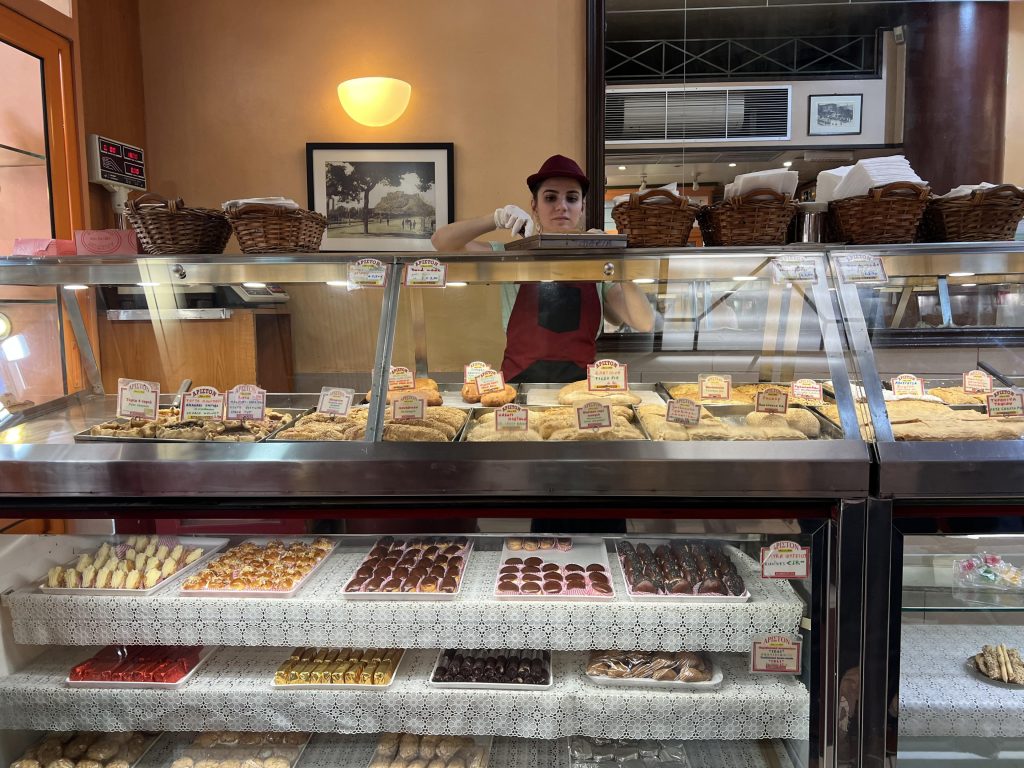
One of the strongest ways heritage places preserve their identity is by continuing to serve their original purpose. Ariston has remained a traditional bakery and eatery for generations. Instead of turning into a museum or a purely touristic attraction, it continues to function as part of everyday urban life. This continuity keeps the place relevant to locals, not just visitors, and protects it from becoming a frozen relic of the past.
- Respect for Architectural Character
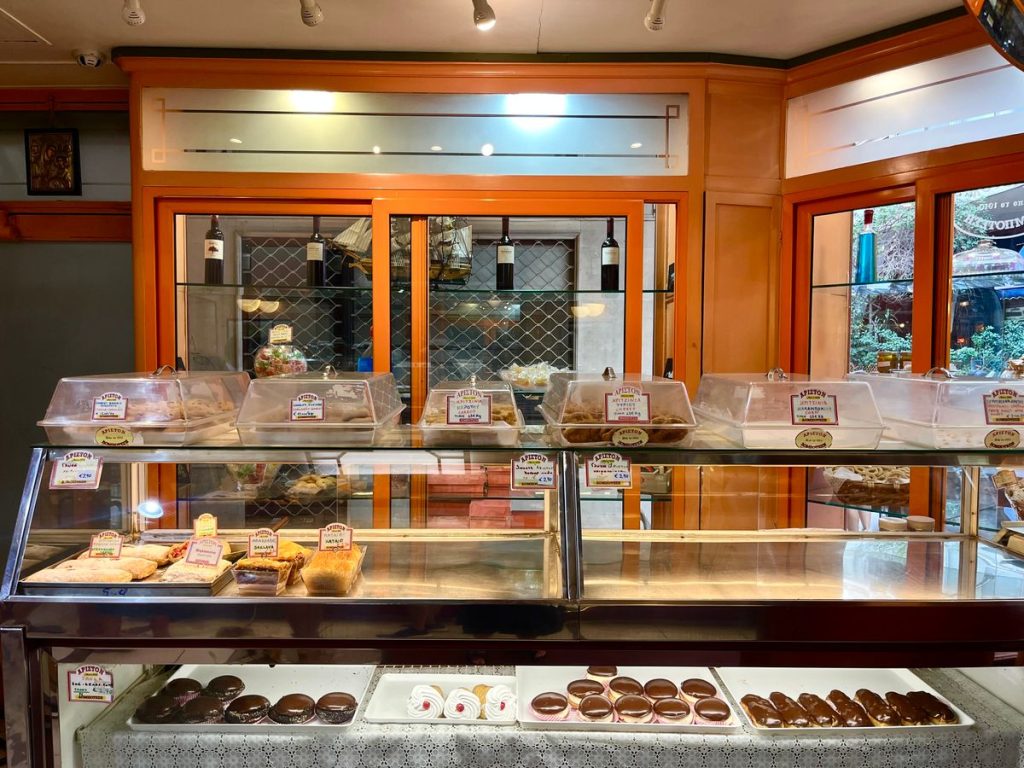
Preserving architectural details is essential for maintaining identity. The design, layout, and interior elements of Ariston reflect a specific historical period in Athens. Rather than replacing old features with modern, generic designs, careful restoration maintains the original character while allowing subtle upgrades for comfort and safety. This respectful approach ensures that modernization does not erase authenticity.
- Intergenerational Knowledge and Craft
Heritage places survive when knowledge is passed from one generation to the next. The recipes, baking techniques, and service traditions at Ariston are part of an intangible cultural heritage. This human element—skills, stories, and practices—keeps the identity of the place alive beyond bricks and walls. Without people who care about tradition, physical preservation alone would feel empty.
- Integration into Contemporary City Life
Successful heritage preservation does not isolate the past from the present. Ariston is woven into the daily rhythm of Athens: office workers stop by for breakfast, students meet friends there, and tourists discover a local experience. This integration allows the place to adapt to new social realities without losing its core identity. Heritage survives best when it remains useful and meaningful in contemporary life.
- Community Attachment and Collective Memory
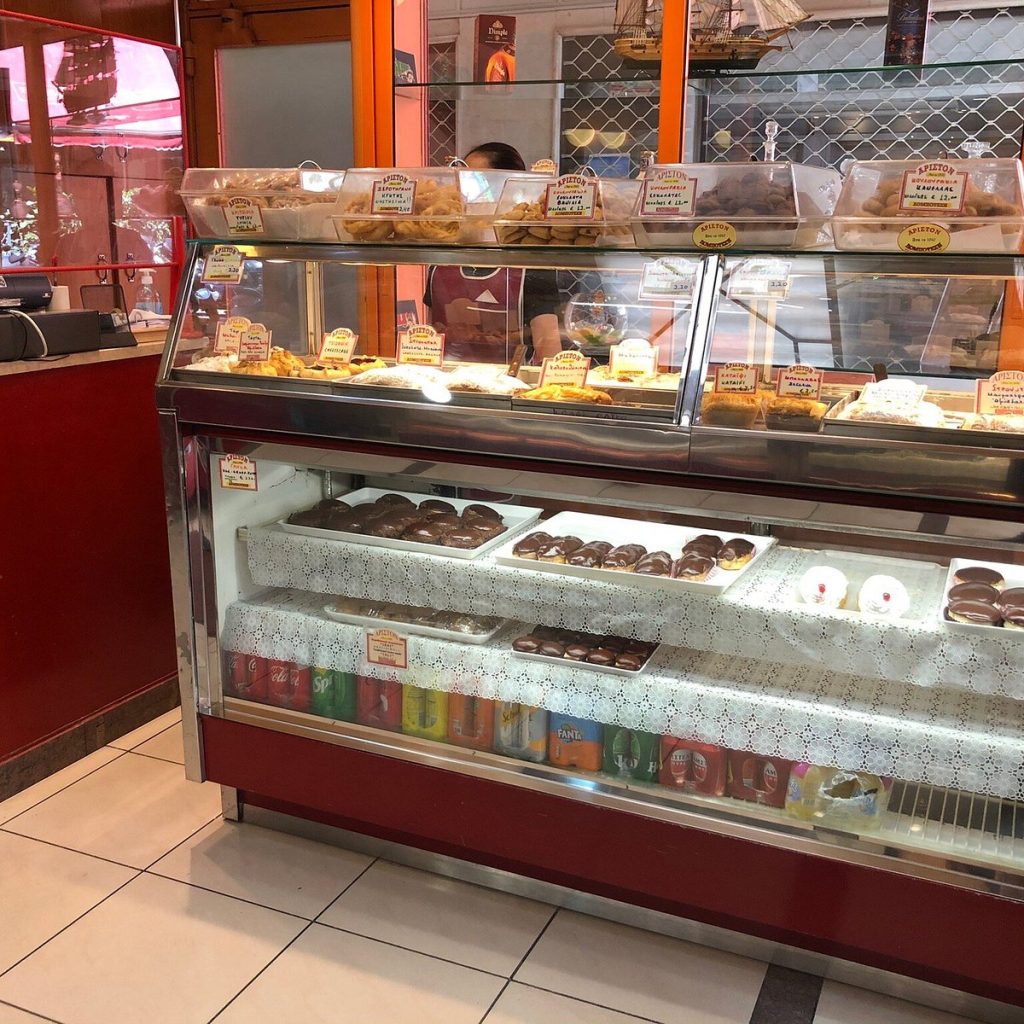
Places endure when communities care about them. The emotional bond between locals and heritage sites creates informal protection. People defend what they love. Ariston’s value is not only in its age but in the memories people associate with it—childhood visits, family routines, and everyday rituals. These collective memories transform a simple bakery into a cultural landmark.
The experience of Ariston in Athens shows that preserving heritage is not about resisting change, but about guiding it. Identity is protected through continuity of use, respect for architectural character, transmission of knowledge, integration into daily life, and strong community attachment. Heritage places remain alive when they evolve carefully—rooted in the past, but breathing in the present.
About the Author