Greek cuisine is widely celebrated for its rich flavors, simple ingredients, and deep historical roots. Among the many treasures of the Greek culinary tradition, pies hold a special place. Known in Greek as “pites” (πίτες), Greek pies are more than just food—they are part of everyday life, family traditions, and centuries-old culinary heritage. These pies are typically made using delicate layers of phyllo dough or handmade rustic pastry and filled with a wide variety of ingredients such as cheese, spinach, meat, vegetables, or sweet custards.
Across Greece, from the bustling streets of Athens to the mountain villages of Epirus and the islands of the Aegean Sea, pies are baked daily in homes and traditional bakeries. They are eaten for breakfast, lunch, dinner, and even as dessert. Some pies are simple and rustic, while others are elaborate creations tied to festivals and celebrations.
This article explores the most famous Greek pies, their history, ingredients, regional variations, and their importance in Greek culture and daily life.
The Ancient Origins of Greek Pies
The history of Greek pies stretches back thousands of years. Ancient Greeks were among the earliest civilizations to create pastry-like foods filled with cheese, honey, and herbs. Early versions of pies were wrapped in simple doughs made from wheat or barley flour and baked on hot stones or in primitive ovens.
Ancient Greek cooks used dough not only as food but also as a container to hold fillings during cooking. Over time, these early forms evolved into more refined pies. When the Byzantine Empire flourished between the 4th and 15th centuries, the use of thin pastry layers began to develop further, eventually influencing the creation of phyllo dough.
Later, during the Ottoman period, pastry techniques evolved even more, leading to the delicate layered pies that are now iconic throughout Greece.
Today, Greek pies represent a blend of ancient Greek, Byzantine, and Ottoman culinary traditions.
Phyllo Dough: The Heart of Greek Pies
One of the defining elements of many Greek pies is phyllo dough. The word “phyllo” means “leaf” in Greek, referring to the extremely thin sheets of dough used in these recipes.
Traditional phyllo dough is made from simple ingredients:
- Flour
- Water
- Olive oil
- Vinegar or lemon juice
- Salt
The dough is rolled into paper-thin sheets and layered with butter or olive oil. When baked, the layers become incredibly crisp and golden.
Phyllo dough requires great skill to prepare by hand. In traditional Greek homes, experienced cooks can stretch dough so thin that it becomes almost transparent.
The Most Famous Greek Savory Pies
Spanakopita: The Legendary Spinach Pie
One of the most iconic Greek pies is the spinach pie. This pie is a staple across the country and can be found in nearly every bakery.
The filling usually contains:
- Fresh spinach
- Feta cheese
- Onion or green onion
- Dill
- Eggs
- Olive oil
These ingredients are wrapped in layers of phyllo dough and baked until crisp and golden. The result is a flavorful pie that balances the saltiness of feta cheese with the freshness of spinach and herbs.
Spanakopita is often eaten as a breakfast item or a light lunch. It is also commonly served at family gatherings and celebrations.
In rural Greece, homemade versions may use hand-rolled dough instead of phyllo, giving the pie a more rustic texture.
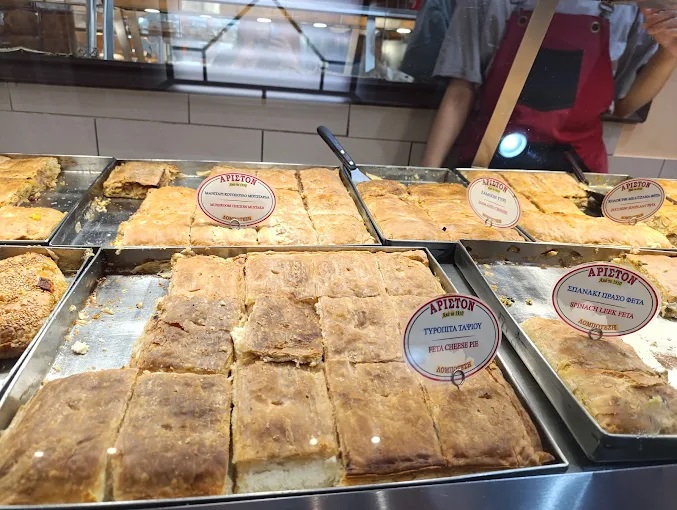
Tiropita: The Classic Greek Cheese Pie
Another beloved Greek pie is the cheese pie. It is one of the most popular bakery snacks throughout Greece.
Tiropita is typically made with a mixture of cheeses, most commonly:
- Feta cheese
- Kasseri cheese
- Graviera cheese
The cheeses are blended with eggs and sometimes yogurt to create a creamy filling. The mixture is wrapped in phyllo dough and baked until crispy.
Tiropita is widely eaten as a quick breakfast with coffee or as a snack during the day. In bakeries, it is often sold in triangular slices or small individual portions.
Because cheese plays such an important role in Greek cuisine, tiropita has countless regional variations across the country.
Kreatopita: Greek Meat Pie
Kreatopita is a hearty meat-filled pie traditionally prepared in many regions of Greece.
The filling may include:
- Minced beef or lamb
- Onion
- Tomato
- Rice
- Herbs such as parsley or mint
In some regions, pieces of meat are used instead of minced meat. The filling is enclosed in layers of phyllo dough or rustic village-style pastry.
This pie is particularly popular in northern Greece and mountainous areas where meat-based dishes are common.
Kreatopita is often served as a main meal rather than a snack.
Prasopita: Leek Pie
Leek pie is another traditional Greek pie that highlights simple, seasonal ingredients.
The filling consists of sautéed leeks combined with:
- Feta cheese
- Eggs
- Herbs
The sweetness of the cooked leeks pairs beautifully with the salty feta cheese.
Prasopita is especially popular in northern Greece and rural areas where leeks are widely grown.
Hortopita: Wild Greens Pie
One of the most traditional pies in Greece is hortopita, a pie made from wild greens.
Greek countryside is rich in edible plants, and villagers often gather wild herbs and greens such as:
- Dandelion greens
- Nettles
- Amaranth
- Wild spinach
These greens are mixed with herbs, onions, and olive oil, then baked in pastry.
Hortopita reflects the deep connection between Greek cuisine and nature.
Sweet Greek Pies
Greek pies are not limited to savory fillings. Many sweet pies are also deeply rooted in Greek culinary tradition.
Bougatsa
Bougatsa is one of the most famous Greek pastries, particularly in northern Greece.
It consists of crispy layers of phyllo dough filled with:
- Sweet semolina custard
- Cheese
- Minced meat (in some versions)
The sweet version is dusted with powdered sugar and cinnamon before serving.
Bougatsa is especially associated with the city of Thessaloniki, where it is a beloved breakfast treat.
Galaktoboureko
Galaktoboureko is one of Greece’s most famous desserts.
It features layers of phyllo dough filled with rich semolina custard. After baking, the pie is soaked in fragrant syrup flavored with lemon or orange.
The contrast between crispy pastry and creamy filling makes this dessert unforgettable.
Galaktoboureko is often served at celebrations and festive occasions.
Regional Greek Pies
Different regions of Greece have developed their own unique pie traditions.
Epirus
The mountainous region of Epirus is considered the “capital of Greek pies.” Many pies here are made with handmade dough instead of phyllo.
Popular pies include:
- Cheese pies
- Milk pies
- Wild greens pies
These pies are thicker and more rustic than those found in cities.
Crete
In Crete, pies are often smaller and fried rather than baked. One famous example is small cheese pies drizzled with honey.
These pies reflect the island’s unique culinary traditions.
The Greek Islands
On the islands, pies often feature local ingredients such as seafood, herbs, and regional cheeses.
Each island has its own distinct recipes passed down through generations.
Greek Bakeries and Everyday Life
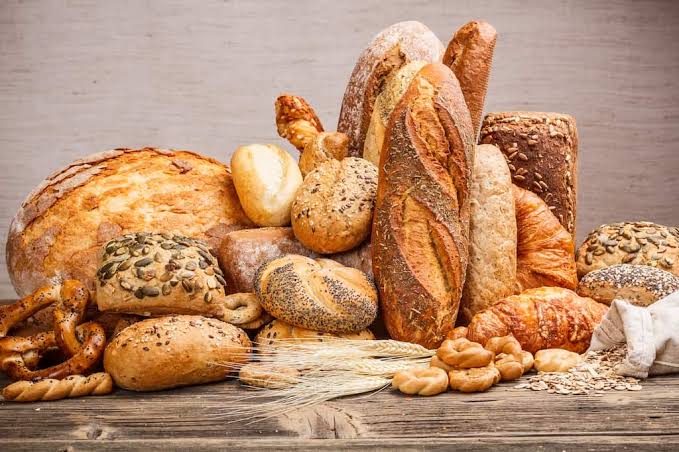
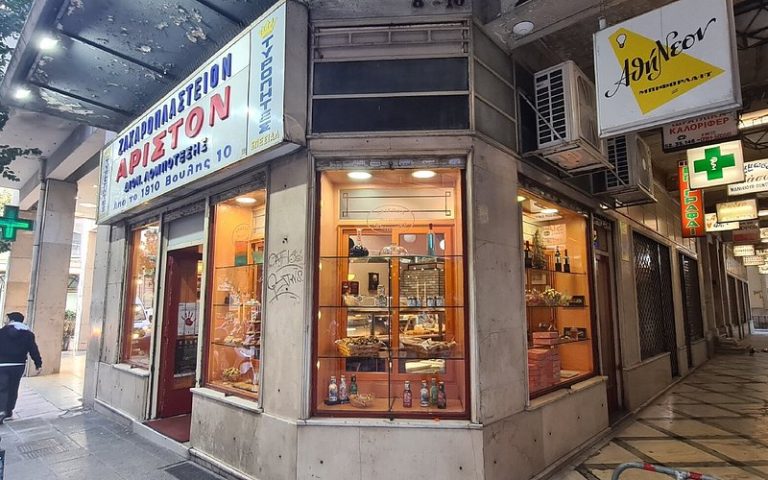
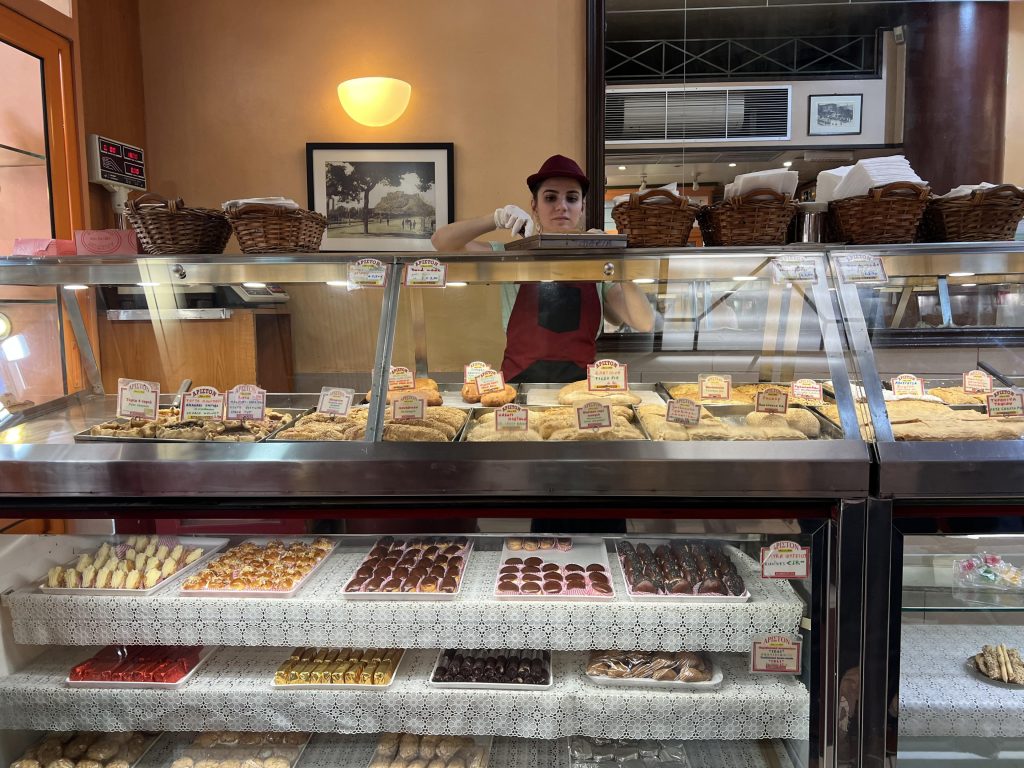
Greek bakeries play an essential role in daily life. Known as “fournoi,” these bakeries open early in the morning and fill the air with the aroma of fresh bread and pies.
Many Greeks stop by their local bakery every morning to buy a slice of pie and coffee before work.
Pies are affordable, filling, and convenient, making them one of the most common foods in Greece.
Cultural Importance of Greek Pies
Greek pies are deeply tied to family traditions and cultural celebrations.
Many households prepare special pies for:
- Easter
- Christmas
- Weddings
- Village festivals
Recipes are often passed down from grandmothers to younger generations.
Preparing pies together is a cherished activity that brings families together.
Greek pies are one of the most beloved elements of Greek cuisine. From savory classics like spinach and cheese pies to sweet custard desserts, these dishes reflect centuries of culinary tradition.
They showcase the Greek love for simple ingredients such as olive oil, fresh herbs, vegetables, and cheese. At the same time, they demonstrate the skill and craftsmanship involved in preparing delicate phyllo dough and perfectly balanced fillings.
Whether enjoyed in a traditional village home, a modern Athens bakery, or a seaside café on a Greek island, Greek pies remain an essential part of the country’s food culture.
For travelers visiting Greece, tasting these pies is not just a culinary experience—it is a journey into the heart of Greek history, tradition, and everyday life.
About the Author