Bread is far more than a staple food in Greece—it is a symbol of life, hospitality, religion, and cultural identity. From ancient rituals to modern bakeries, Greek bread reflects the country’s deep-rooted traditions and its connection to agriculture, community, and spirituality. Across villages and cities alike, bread remains central to daily meals and festive occasions, embodying centuries of history.
This report explores the diverse types of Greek bread, their origins, and how they are interwoven with the cultural and historical fabric of Greece.
The Historical Roots of Bread in Greece
The history of bread in Greece dates back thousands of years to ancient civilizations such as the Ancient Greek Civilization. Early Greeks were among the first in Europe to cultivate wheat and develop advanced baking techniques. Bread was considered a sacred food and was often offered to the gods in religious ceremonies.
In ancient times, different types of bread were associated with social class. Wealthier citizens consumed fine white bread made from refined wheat, while the poor relied on coarser barley bread. Greek historian Herodotus even referred to Egyptians as “bread eaters,” highlighting the central role of bread in Mediterranean societies.
During the Byzantine Empire, bread-making techniques evolved further, incorporating new ingredients and methods. Monasteries became centers of baking excellence, preserving recipes that are still used today.
Bread and Religion: A Sacred Connection
In Greece, bread is deeply tied to the Greek Orthodox Church. It plays a vital role in religious rituals and ceremonies.
One of the most important types of bread is Prosphoro, used in the Eucharist (Holy Communion). This bread is carefully prepared with symbolic stamps representing religious motifs. Baking Prosphoro is considered a spiritual act, often performed with prayer and devotion.
Another significant bread is Christopsomo (Christ’s Bread), traditionally baked during Christmas. Decorated with crosses, nuts, and dried fruits, it symbolizes prosperity and blessings for the household.
Everyday Greek Bread Varieties
- Horiatiko Psomi (Village Bread)
Horiatiko Psomi is the quintessential Greek bread. Rustic and hearty, it is typically made with wheat flour, yeast, salt, and water, sometimes enriched with olive oil. Its thick crust and soft interior make it perfect for pairing with olive oil, cheese, and traditional dishes.
This bread reflects Greece’s agricultural heritage, especially the importance of wheat farming in rural communities.
- Koulouri
Koulouri is one of the most iconic street foods in Greece, especially in cities like Thessaloniki. It is a sesame-covered bread ring, similar in shape to a bagel but lighter and crunchier.
Sold by street vendors, Koulouri is a symbol of urban life and convenience, often enjoyed as a quick breakfast or snack.
- Lagana
Lagana is a flatbread traditionally baked for Clean Monday, marking the beginning of Lent in the Greek Orthodox Church calendar.
This unleavened bread is soft, wide, and topped with sesame seeds. It represents simplicity and spiritual cleansing, aligning with the fasting traditions of the season.
- Paximadi (Greek Rusk)
Paximadi is a twice-baked bread, similar to biscotti but less sweet. It has ancient origins and was historically used as a long-lasting food for sailors and travelers.
Today, it is often served with tomatoes, feta cheese, and olive oil, forming the famous Cretan dish dakos.
- Tsoureki
Tsoureki is a sweet, braided bread typically prepared during Easter celebrations. Flavored with unique spices such as mahleb and mastic, it has a rich aroma and soft texture.
Red-dyed eggs are often placed within the braid, symbolizing the resurrection and renewal associated with Easter.
Regional Bread Specialties
Greece’s geography has given rise to regional bread variations, each reflecting local ingredients and traditions.
Crete: Known for barley-based breads and rusks, emphasizing durability and nutrition.
Epirus: Features corn-based breads, influenced by mountainous terrain and limited wheat production.
Macedonia: Offers diverse breads influenced by Balkan and Ottoman culinary traditions.
Each region’s bread tells a story of survival, adaptation, and cultural exchange.
Bread as a Symbol of Hospitality
In Greek culture, offering bread to guests is a sign of respect and generosity. The phrase “breaking bread together” symbolizes friendship and trust.
Traditional meals almost always include bread, served alongside olive oil, olives, and cheese. Refusing bread can even be seen as impolite in certain settings, highlighting its cultural importance.
Bread in Modern Greece
Today, bread remains central to Greek life, though modern bakeries have introduced new variations and international influences. Traditional bakeries coexist with contemporary shops, preserving age-old recipes while adapting to modern tastes.
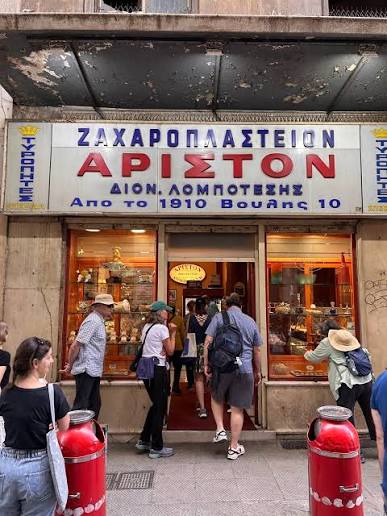
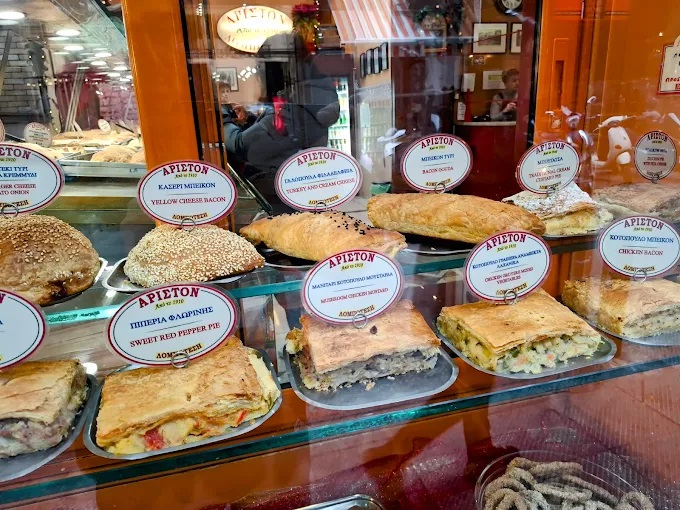
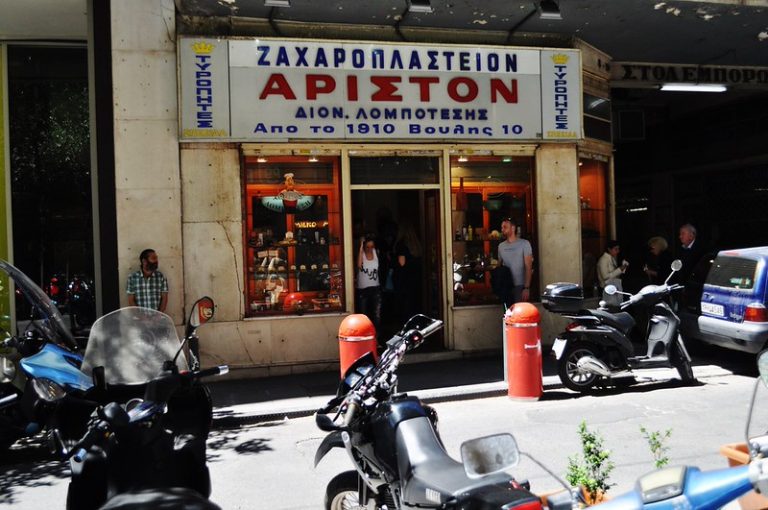
One iconic example is Ariston Bakery, a historic bakery in Athens known for its authentic Greek pies and breads. It represents the continuity of tradition in a rapidly evolving culinary landscape.
The Cultural Meaning of Bread in Greece
Bread in Greece is more than nourishment—it is a cultural symbol that connects past and present. It represents:
Sustenance and survival
Religious devotion
Community and hospitality
Cultural identity and continuity
From ancient offerings to modern tables, bread remains a cornerstone of Greek life.
The story of Greek bread is a story of civilization itself. Rooted in the traditions of the Ancient Greek Civilization and shaped by centuries of cultural evolution, Greek bread continues to play a vital role in everyday life.
Whether it is the rustic Horiatiko Psomi, the festive Tsoureki, or the humble Paximadi, each type of bread carries with it a piece of Greek history and identity. In every bite, there is a connection to the land, the people, and the enduring traditions of Greece.
About the Author