Pastry-making in Greece is far more than a culinary craft; it is a living expression of history, geography, religion, and social life. From the honey-drenched sweets of antiquity to the layered phyllo pies that define modern Greek bakeries, the story of Greek pastries is deeply intertwined with the story of the Greek people themselves. Across centuries of ancient glory, Byzantine spirituality, Ottoman influence, and modern nation-building, Greek pastry-making has evolved while preserving a powerful sense of continuity.
Ancient Beginnings: Honey, Sesame, and Sacred Offerings
The roots of Greek pastry-making stretch back to ancient Greece, where early forms of pies and sweets were already part of daily and ritual life. Honey was the primary sweetener long before sugar arrived in Europe, and it played a central role in desserts.
One of the earliest known Greek sweets was pasteli, a sesame-and-honey bar that remains popular today. Ancient Greeks also prepared flat cakes made of flour, olive oil, and honey, often offered to the gods during religious ceremonies dedicated to deities such as Demeter, the goddess of agriculture. These early pastries were not merely food—they were sacred objects symbolizing fertility, prosperity, and gratitude.
Cheese pies also existed in antiquity. Early references to cheese-filled dough appear in classical texts, and some historians argue that the ancestor of modern Tiropita may date back to these ancient recipes.
Byzantine Refinement: The Rise of Phyllo and Syrup Sweets
During the Byzantine era (4th–15th centuries), Greek pastry-making became more refined and sophisticated. Constantinople, the capital of the Byzantine Empire, was a crossroads of trade and culinary exchange. Ingredients like nuts, spices, and sugar (gradually replacing honey in some recipes) became more accessible.
The technique of stretching dough into ultra-thin sheets—what we now call phyllo (or filo)—was perfected during this time. This innovation transformed Greek pastry-making. Phyllo allowed for the creation of layered pies and delicate syrup-soaked desserts that are now hallmarks of Greek cuisine.
Monasteries played a crucial role in preserving and developing pastry recipes. Monks often created sweets for religious feasts, especially during Easter and Christmas. Many traditional recipes still prepared today have their origins in monastic kitchens.
Ottoman Influence: A Shared Culinary Heritage
From the 15th to the early 19th century, Greece was part of the Ottoman Empire. This period profoundly shaped Greek pastry traditions. Syrup-soaked desserts, nut-filled pastries, and elaborate layered sweets flourished during this time.
Perhaps the most famous example is Baklava, made with layers of phyllo dough, chopped nuts, butter, and sweet syrup. Although baklava exists across the Eastern Mediterranean, the Greek version is distinct in its use of walnuts, cinnamon, and clove, often soaked in honey-based syrup.
Another beloved dessert is Galaktoboureko, a semolina custard baked between layers of phyllo and drenched in syrup. This dessert reflects the blending of Byzantine technique and Ottoman sweetness.
During this era, pastry-making became both a domestic art and a professional trade. Specialized pastry shops emerged in urban centers, laying the foundation for the modern Greek bakery.
Regional Diversity: Local Specialties Across Greece
Greek pastry-making is deeply regional. Each island and mainland area has developed its own specialties based on local ingredients and traditions.
Crete
In Crete, simple yet flavorful pies dominate. Kalitsounia are small pastries filled with fresh mizithra cheese and lightly sweetened with honey. They are especially popular during Easter celebrations.
Epirus
In the mountainous region of Epirus, savory pies known collectively as “pites” are a staple. The famous Spanakopita—filled with spinach, feta cheese, herbs, and wrapped in phyllo—has become a national symbol of Greek cuisine.
Macedonia and Northern Greece
Northern Greece is known for rich, hearty pies influenced by Balkan flavors. Meat pies, pumpkin pies, and wild greens pies reflect the agricultural traditions of the region.
The Cyclades Islands
On islands like Naxos and Paros, almond-based sweets are prominent due to the abundance of almond trees. Syrupy pastries coexist with simpler, rustic baked goods.
Pastries and Religious Life
Greek pastries are inseparable from religious traditions, particularly those of the Greek Orthodox Church. The liturgical calendar shapes what people bake and eat.
During Lent, many pastries are made without dairy or eggs. For Easter, special sweets are prepared, including Tsoureki, a braided sweet bread flavored with mahleb and mastic. Its red-dyed egg symbolizes the resurrection of Christ.
At Christmas, families prepare melomakarona (honey-soaked cookies) and kourabiedes (butter-almond cookies dusted with powdered sugar). These pastries are not just desserts; they are carriers of memory, identity, and faith.
The Modern Greek Bakery: A Daily Institution
Today, the Greek bakery—known as a “fourno”—remains central to everyday life. In cities like Athens and Thessaloniki, bakeries open early in the morning and serve both savory and sweet pastries.
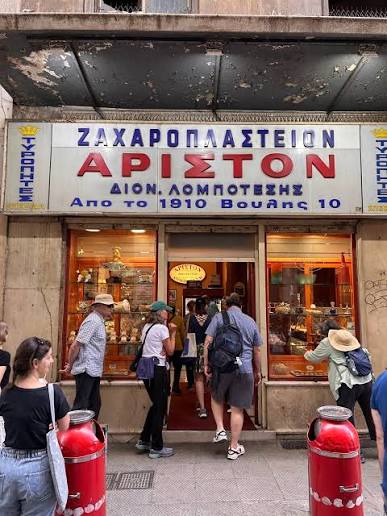
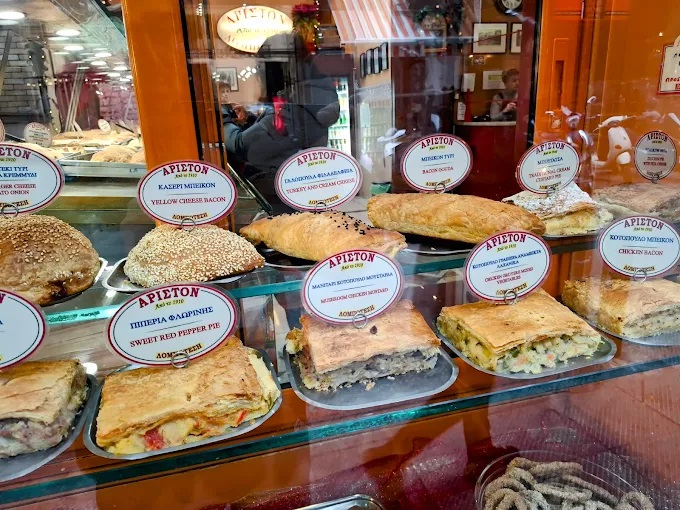
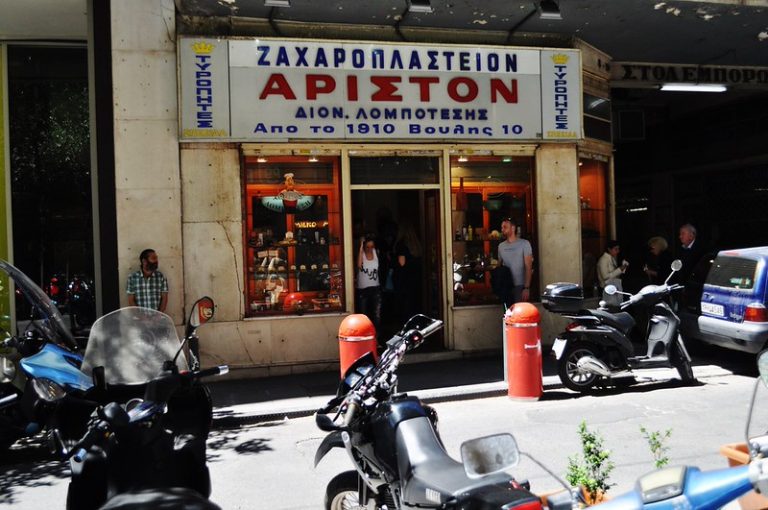
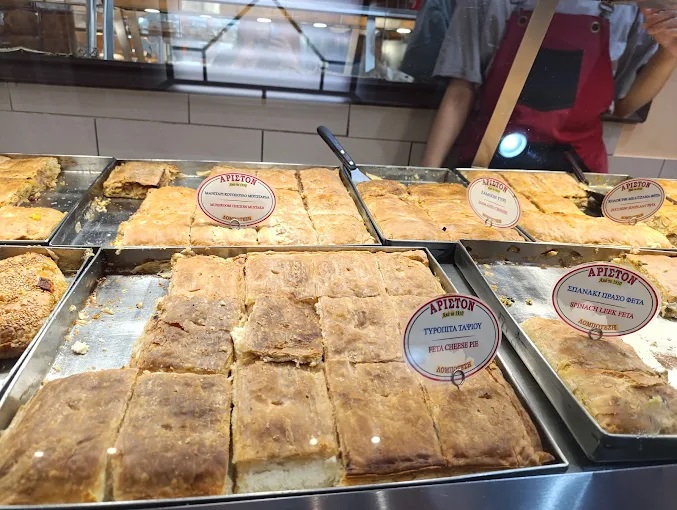
One historic example is Ariston Bakery, established in 1910 in central Athens. It became famous for its high-quality cheese pies and traditional recipes. Such bakeries are not just commercial spaces; they are social hubs where locals gather daily.
Modern Greek pastry-making balances tradition and innovation. While classic recipes remain dominant, contemporary pastry chefs experiment with new fillings, organic ingredients, and refined presentation styles.
Pastries as Cultural Memory
Greek pastries carry stories of migration and resilience. After the population exchange between Greece and Turkey in 1923, refugees from Asia Minor brought with them new techniques and flavors. These influences enriched Greek pastry-making, adding complexity and variety.
For Greek families, recipes are passed down from grandmother to mother to daughter (and increasingly to sons as well). Baking is often a communal activity, especially before major holidays. The act of stretching phyllo by hand remains a symbol of patience, skill, and love.
Economic and Social Importance
Pastry-making is also economically significant. Greece’s tourism industry promotes traditional sweets as part of the authentic experience. Visitors often associate Greek hospitality with a plate of baklava or a slice of spanakopita.
Small family-run bakeries coexist with modern pastry chains, but the emphasis on craftsmanship remains strong. In many villages, local pies are still prepared using age-old methods and wood-fired ovens.
A Living Tradition
The history of pastry-making in Greece is a story of continuity and adaptation. From ancient honey cakes offered to the gods to modern phyllo pies enjoyed in bustling city bakeries, Greek pastries reflect centuries of cultural exchange and devotion to craft.
They are not simply food items; they are symbols of celebration, faith, survival, and community. Every layer of phyllo tells a story. Every drop of honey recalls ancient rituals. Every family recipe preserves a fragment of the Greek soul.
In Greece, pastry-making is not just a culinary tradition—it is a delicious expression of national identity.
About the Author