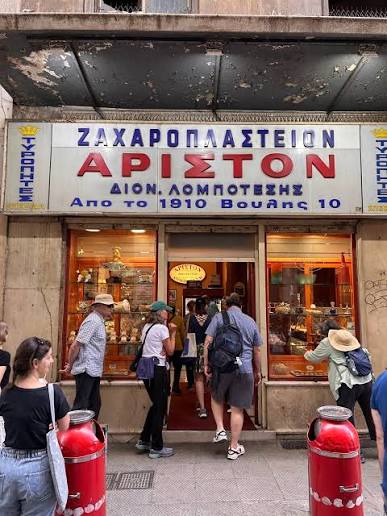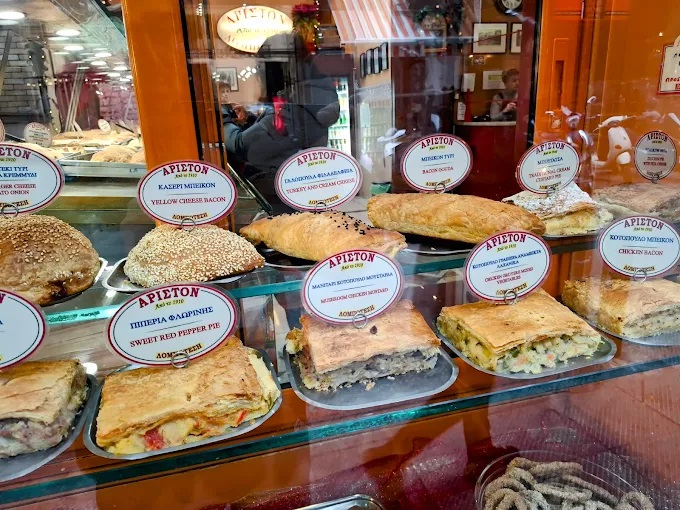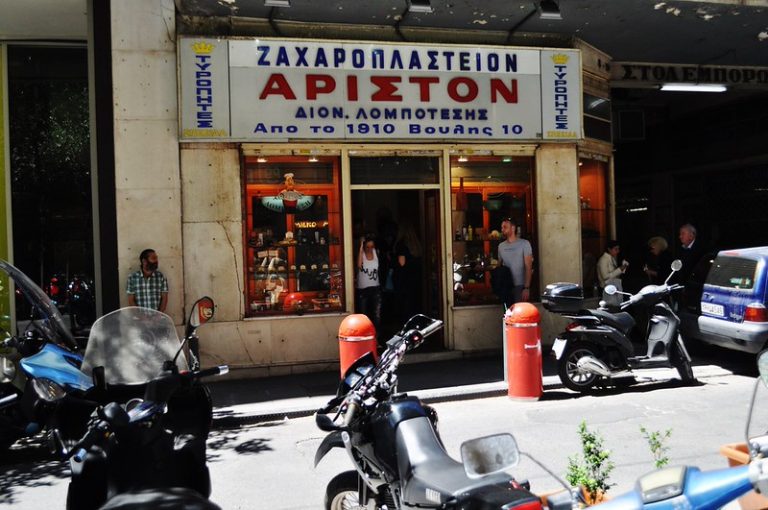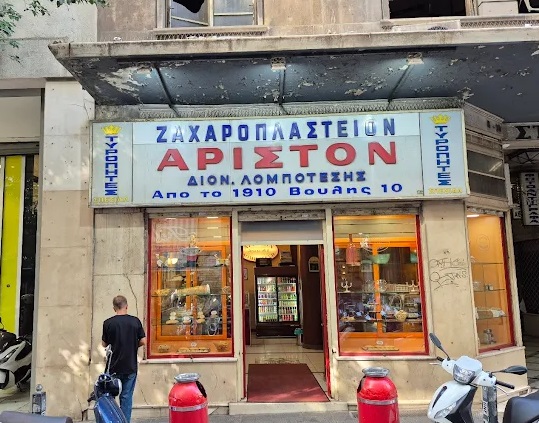
Ariston Bakery is one of the most historic and beloved bakeries in Athens, Greece. Located near the city’s political and cultural center, it has been serving Athenians and visitors for over a century. The bakery is famous for its traditional Greek pastries, savory pies, and its role as a social meeting point for generations of locals.
Origins and Early Years
Ariston Bakery was founded in 1910 in the heart of Athens, during a period when the city was modernizing and growing as the capital of Greece. The founders focused on producing high-quality, handmade pastries using traditional Greek recipes. From the beginning, the bakery specialized in savory pies such as spinach pie (spanakopita) and cheese pie (tiropita), which quickly gained popularity among office workers, politicians, and nearby residents.
Location and Cultural Importance
The bakery is located near Syntagma Square, an area closely connected to political life and everyday urban culture in Athens. Because of this central location, Ariston became a popular stop for people on their way to work, journalists covering political events, and even members of parliament. Over time, the bakery turned into an informal meeting place where people from different social backgrounds crossed paths, making it part of the daily rhythm of the city.
Growth and Reputation
Throughout the 20th century, Ariston Bakery survived wars, economic crises, and major social changes in Greece. Despite these challenges, it maintained its commitment to traditional methods and consistent quality. Its reputation grew through word of mouth rather than advertising, and many Athenians began to associate Ariston with reliability, authenticity, and comfort food. Generations of families passed down the habit of stopping by Ariston for a quick pie or pastry.
Ariston Bakery as a Modern Icon
Today, Ariston Bakery is more than just a place to buy food—it is a symbol of continuity in a fast-changing city. While Athens has seen the rise of international café chains and modern bakeries, Ariston has preserved its traditional character. Locals still view it as part of their cultural heritage, and tourists seek it out as an “authentic Athens” experience. The bakery’s long history, central location, and consistent quality have turned it into a living monument of everyday Greek culture.
The story of Ariston Bakery reflects the broader story of Athens itself: resilience, tradition, and adaptation over time. From a small neighborhood bakery founded in the early 20th century, it has become an enduring icon in the heart of the city. Its success lies not only in its food, but in the emotional connection it has built with generations of Athenians, making it a true cultural landmark of Athens.
About the Author