Spanakopita is a traditional savory pie made with:
Spinach
Feta cheese
Onion or scallions
Herbs (usually dill, sometimes parsley or mint)
Wrapped in flaky phyllo (filo) dough and baked until golden
Crispy on the outside, creamy and herby on the inside. Elite comfort food.
A Bit of History
Spanakopita comes from Greece and is part of a long tradition of “pites” (savory pies). Greeks have been making filled pies since ancient times, often based on what was available locally—wild greens, herbs, and cheese.
A few fun historical vibes:
Ancient Greeks ate early versions of herb-and-greens pies
Phyllo dough became more refined during the Byzantine Empire and later the Ottoman Empire, which helped shape the super-thin pastry we know today
Spanakopita became especially popular because spinach grows easily in Greece and feta is a staple
So this dish is basically a centuries-old fridge-cleaning masterpiece that turned iconic.
The Main Kinds of Spanakopita
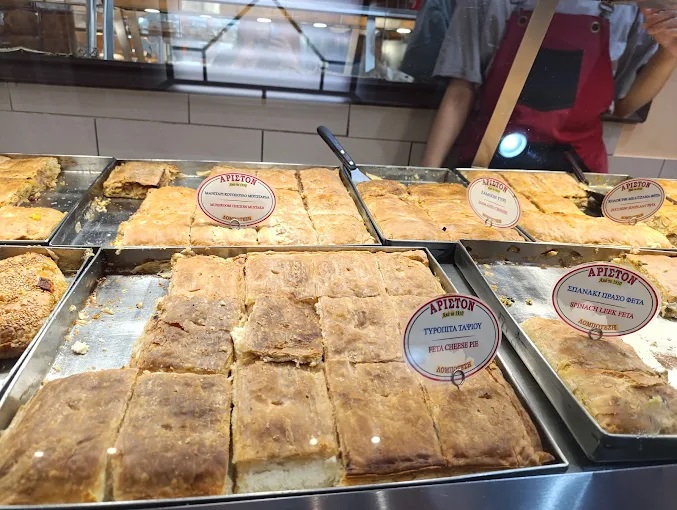
1. Classic Baked Pan Spanakopita
This is the version most people know:
Big rectangular tray
Layers of phyllo on top and bottom
Soft spinach-feta filling inside
Perfect for slicing into squares for family meals or parties.
2. Individual Triangles (Spanakopitakia)
Mini versions, folded into little triangles:
Often served as appetizers or street food
Crunchy outside, creamy inside
Easier to snack on (dangerously easy to eat 6 in one sitting)
3. Rustic Village-Style (Horiatiki Spanakopita)
More “home-style”:
Thicker homemade dough instead of phyllo
Heavier, breadier crust
Found more in rural areas and old-school kitchens
This one feels cozy and filling.
4. Greens Pie (Hortopita)
Spanakopita’s wild cousin:
Not just spinach—uses mixed wild greens
May or may not include cheese
More bitter, earthy flavor
This is the farmer’s version: whatever greens were growing that week.
5. Cheese-Forward Versions
Some regions go heavier on feta (or add other cheeses):
Feta + ricotta-style cheeses
Creamier, saltier filling
Less spinach, more indulgence
6. Vegan / Fasting Spanakopita (Nistisimo)
Common during Orthodox fasting periods:
No cheese
More herbs, olive oil, and greens
Surprisingly flavorful even without feta
Regional Twists
Different parts of Greece tweak it:
More dill in some regions
More onion or leek in others
Some add mint
Some use wild mountain greens instead of spinach
There’s no single “correct” recipe—Greek grandmas will fight over this.
How It’s Usually Eaten
Breakfast with coffee
Lunch with a salad
Appetizer at parties
Street food
Midnight fridge raid (respectfully)
Why People Love It So Much
Crunchy + creamy combo
Savory, herby, salty balance
Feels comforting but still kinda healthy
Works hot, warm, or cold
Spanakopita is one of those foods that somehow fits every mood.
About the Author